

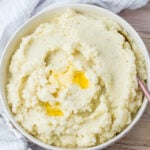
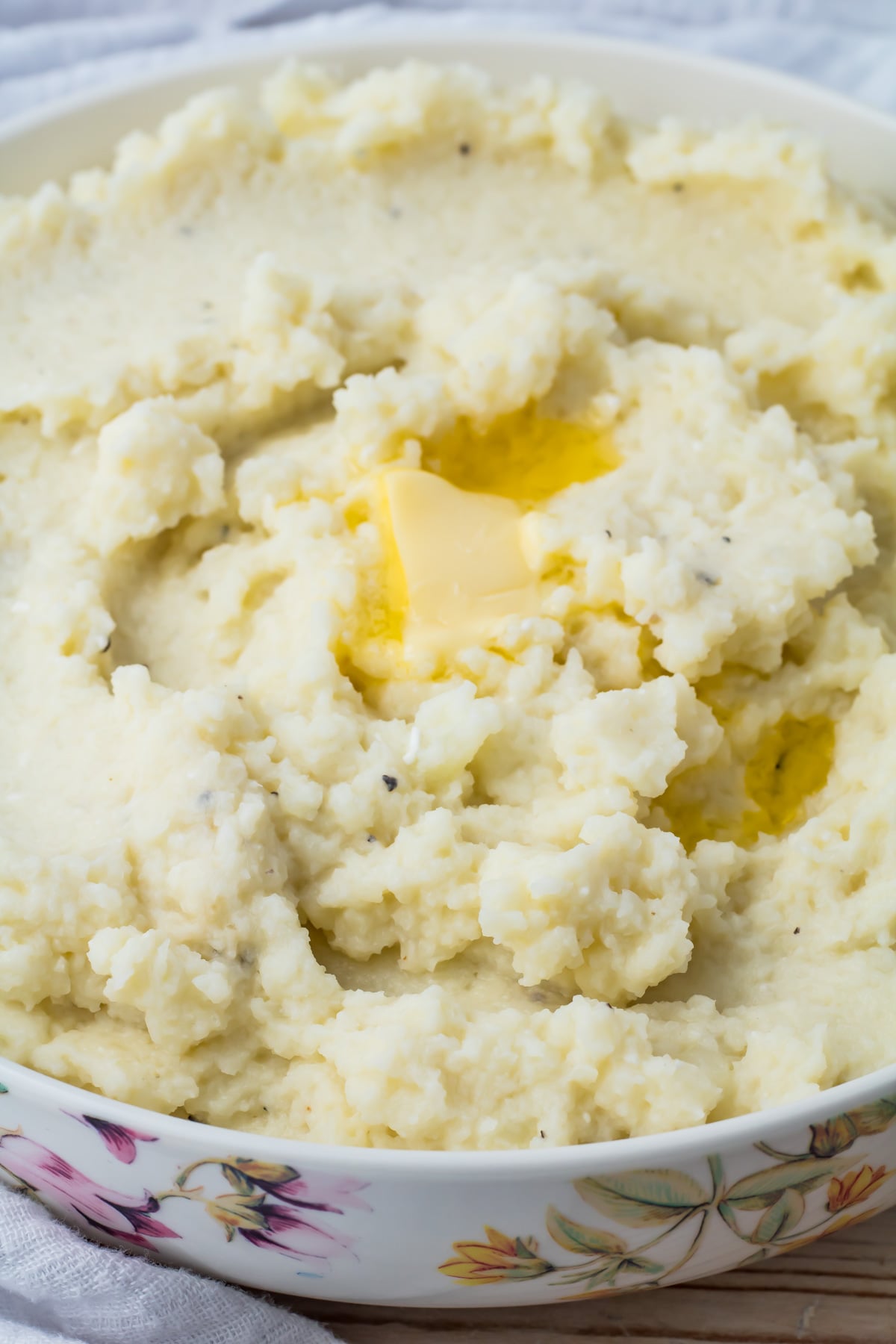
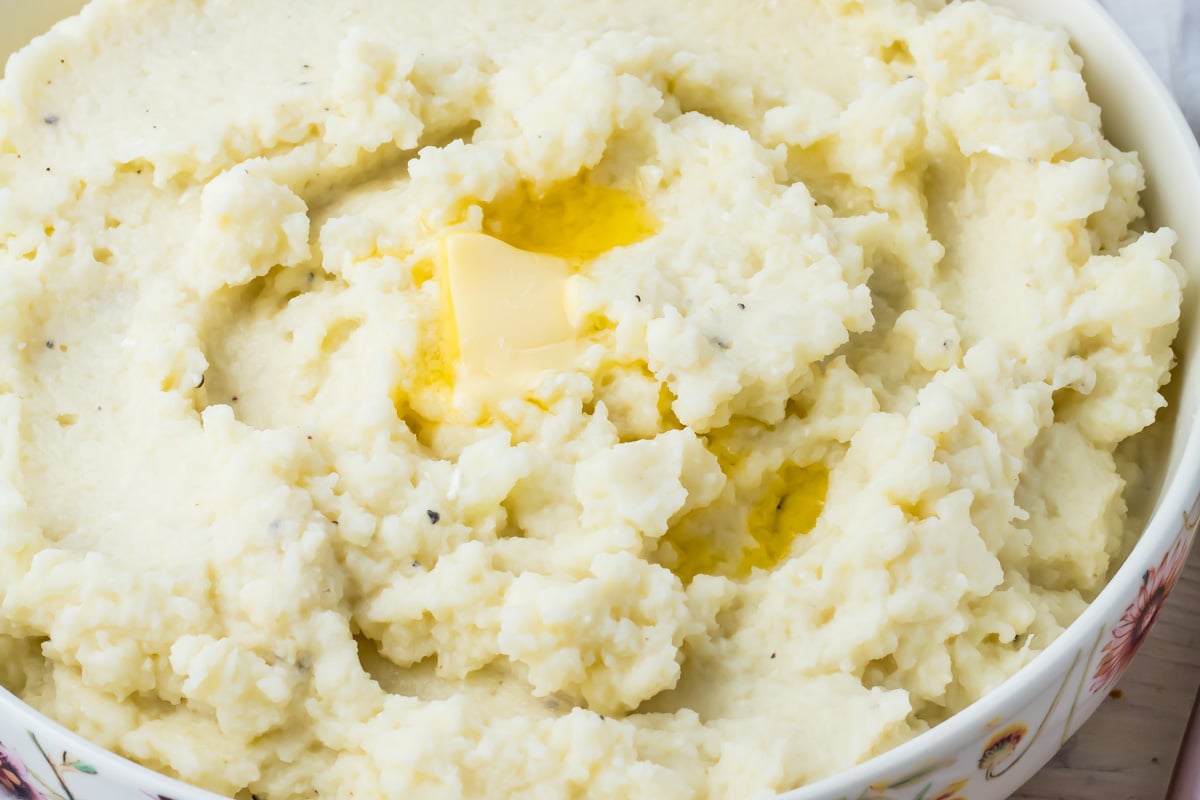
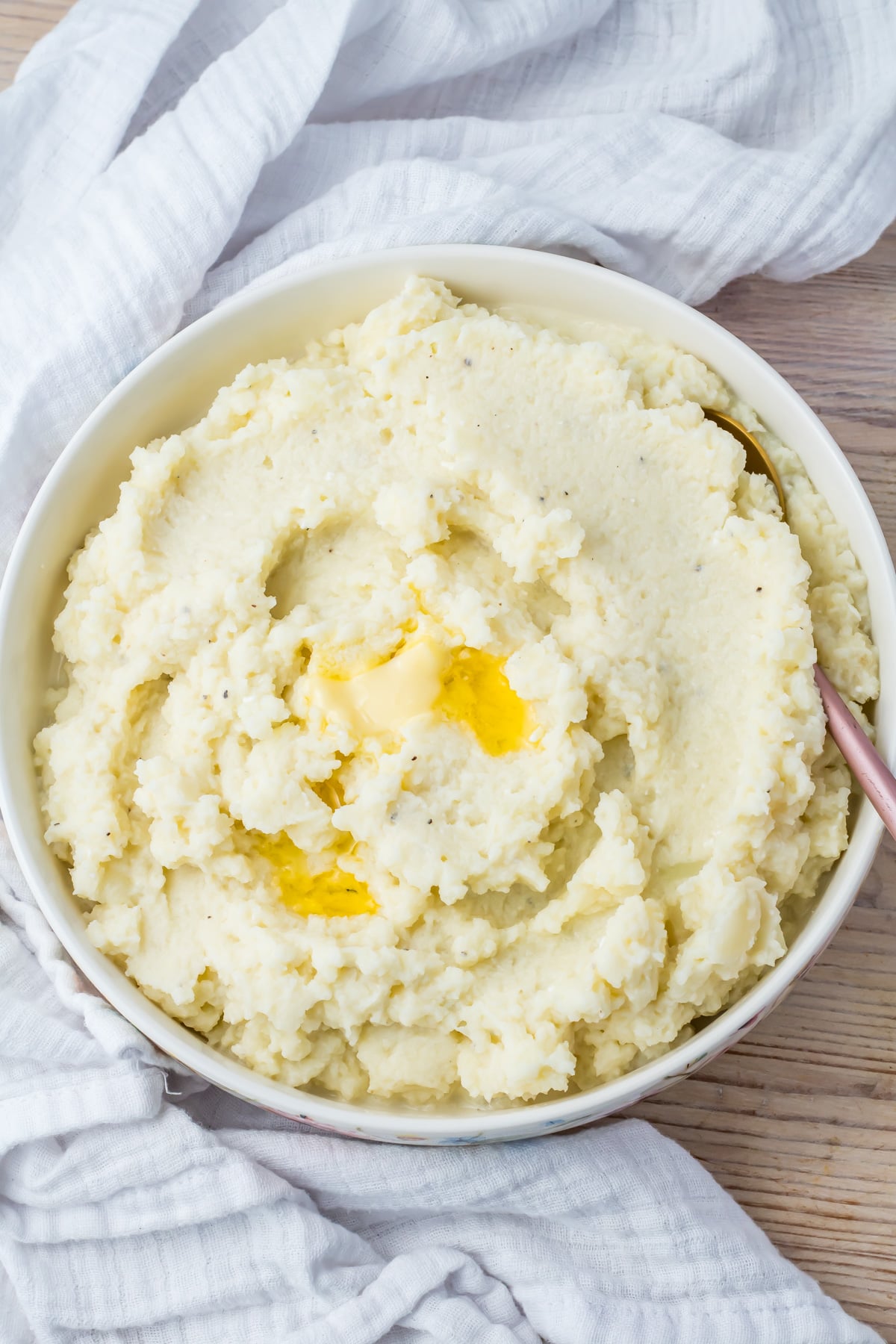
Mashed cauliflower turns one vegetable into something that fools the whole table into thinking it’s potatoes, all cream and butter without a single lump. Boiled cauliflower gets blitzed smooth with butter, cottage cheese, and a splash of milk, so it’s ready to spoon out in about 20 minutes. It’s the side you reach for on a busy weeknight or to round out a holiday plate.
Key ingredients & substitutions
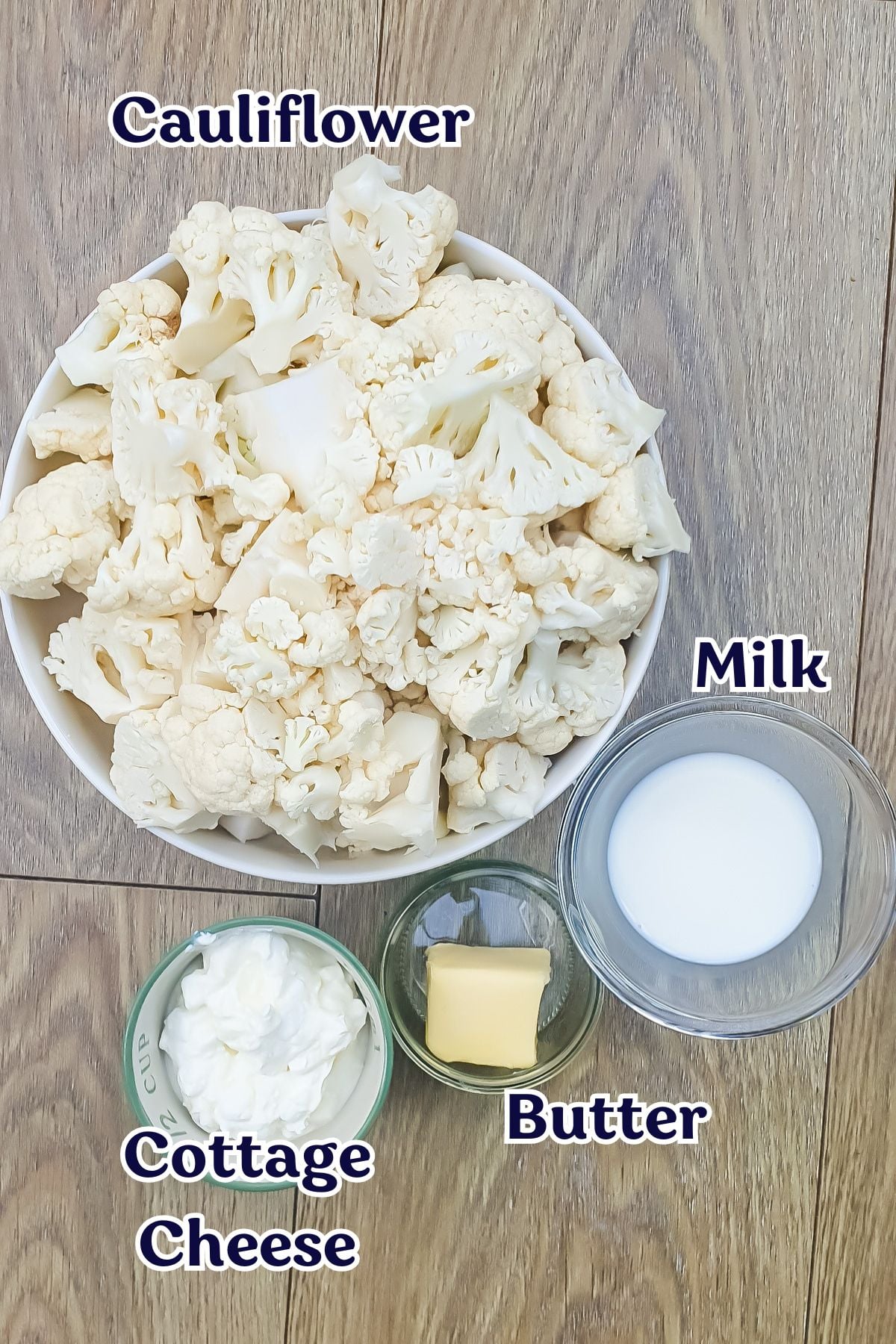
- Cauliflower florets: Forms the base and turns creamy once blended. Fresh gives the best texture; frozen works too (add a couple extra minutes to the boil, no need to thaw first).
- Unsalted butter: Brings richness and helps everything blend smooth. Swap in olive oil or ghee if you want it dairy-free.
- Cottage cheese: Adds creaminess and a boost of protein without needing heavy cream. Full-fat Greek yogurt or cream cheese both work; cream cheese makes it extra rich.
- Milk: Thins the mash to the right consistency. Whole, 2%, or a dairy-free milk like almond or oat all do the job.
- Salt and pepper: Start with the amounts listed and taste after blending.
How to make mashed cauliflower
- Boil the water. Bring a large pot of salted water to a rolling boil over high heat.
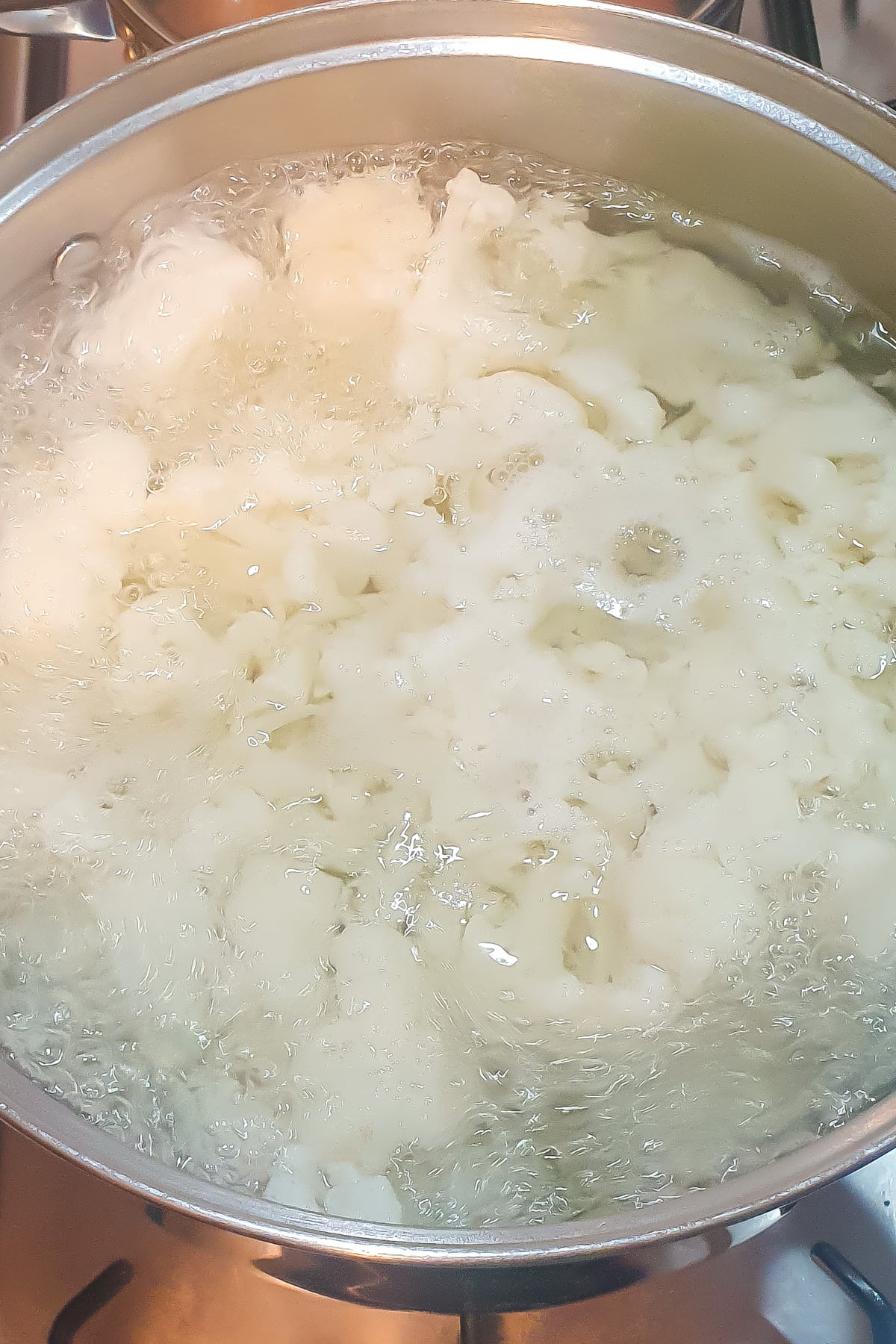
- Cook the cauliflower. Add the florets and boil for about 10 minutes, until fork-tender: they should mash easily when pressed.
- Drain well. Tip the cauliflower into a colander and let it sit for a minute or two. Excess water is what makes mash go runny.
- Dry it out. Return the drained florets to the hot, empty pot for about a minute over low heat to steam off any last moisture.
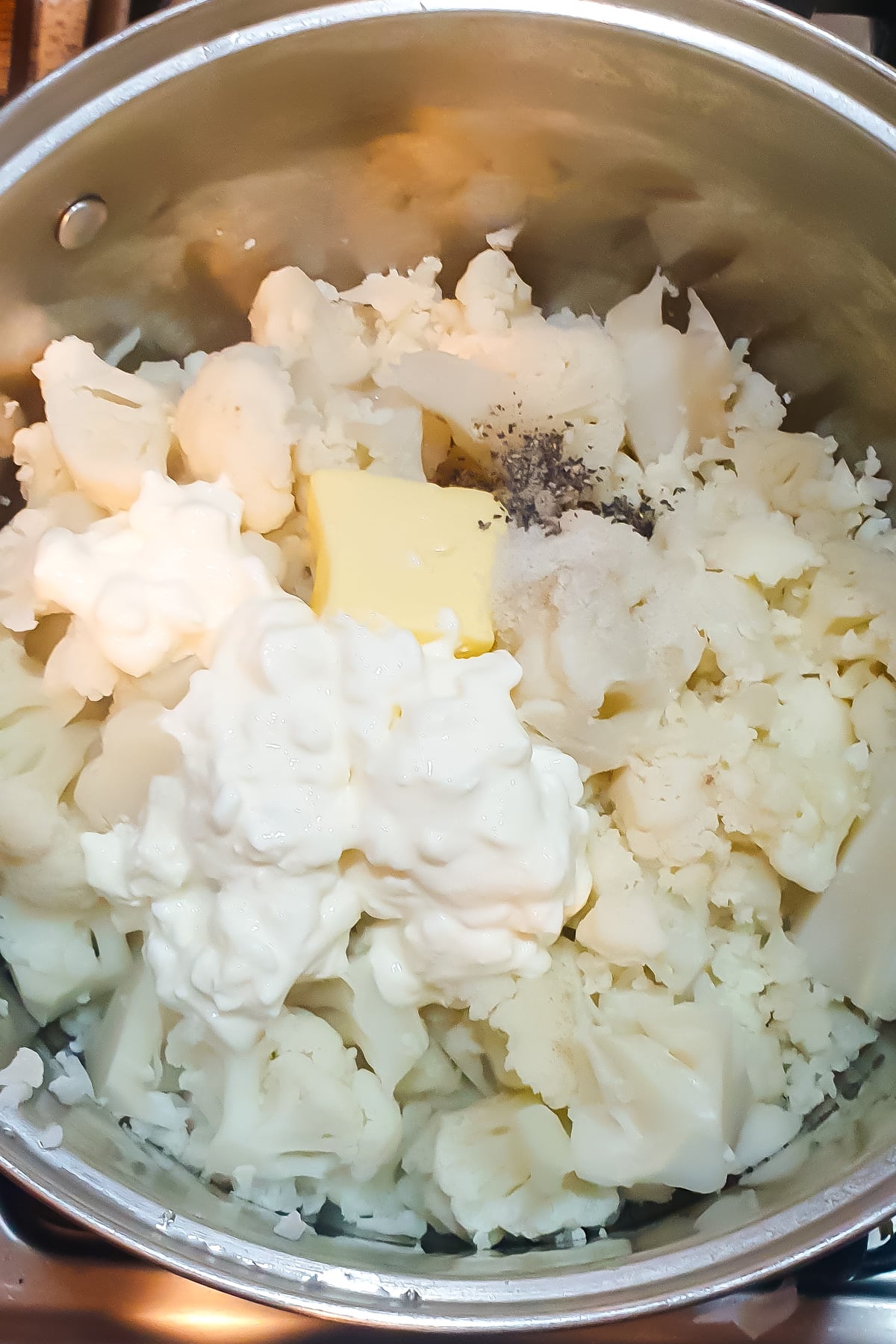
- Add the rest. Add the butter, cottage cheese, milk, salt, and pepper while everything is still warm.
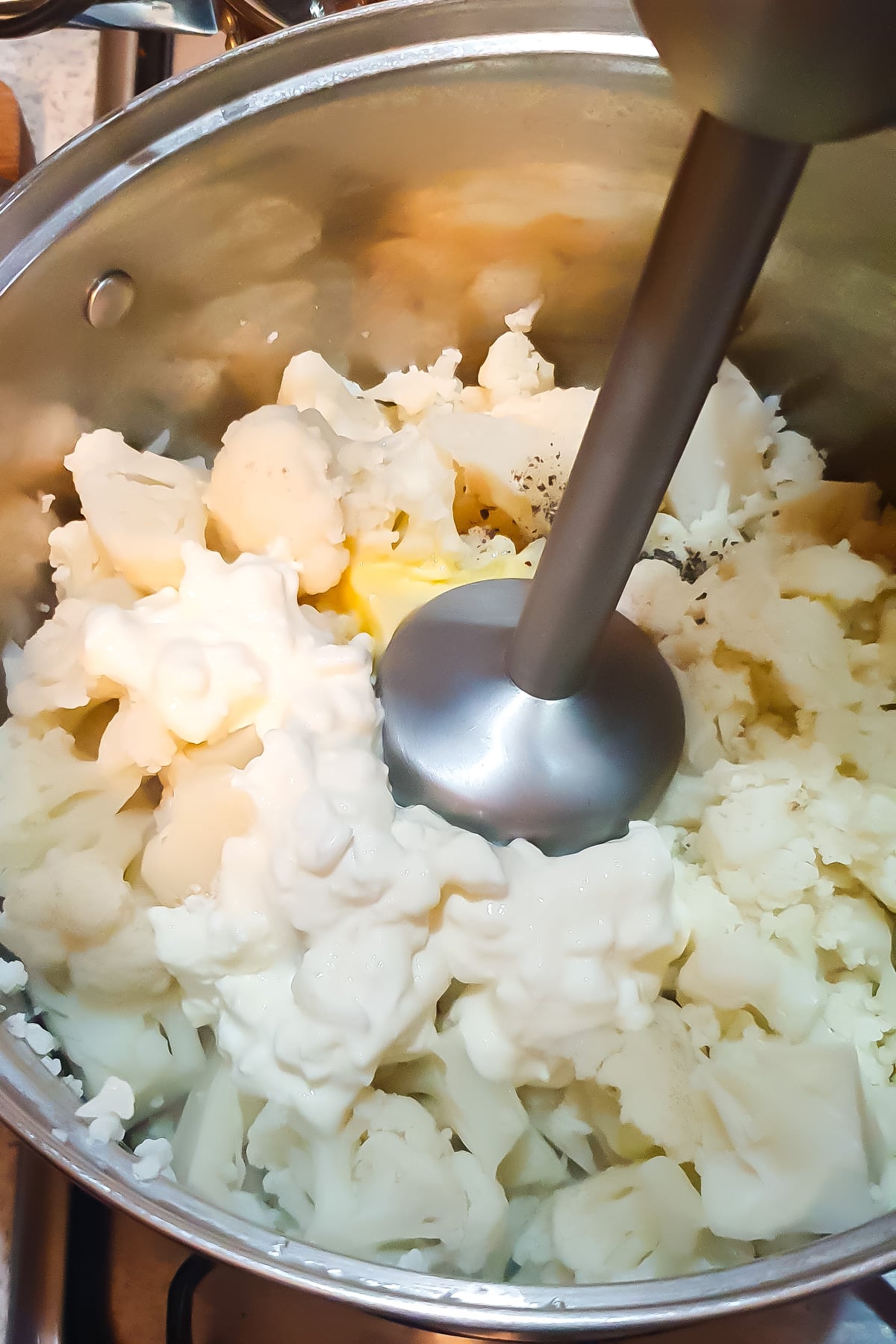
- Blend smooth. Puree with an immersion blender right in the pot, starting on low to avoid splatters, then increasing speed until silky.
- Taste and adjust. Add more salt, pepper, or a splash of milk if it needs loosening.
- Serve hot. Spoon it out right away. It’s best warm.
Tips for getting it right
Watery mash is almost always about moisture: cauliflower holds a lot of water, and if it’s not drained and dried properly before blending, no amount of butter fixes it.
- Drain thoroughly: Let the florets sit in the colander a minute or two after boiling. Don’t rush this.
- Dry the pot. Return the drained cauliflower to the hot, empty pot for a minute before adding anything else. It steams off the last of the water.
- Use an immersion blender for easy cleanup, or a food processor in batches for the smoothest result.
- Finish with fresh herbs like parsley, chives, or thyme right before serving for color and brightness.
Variations
- Roasted garlic: Roast a whole head until soft, then squeeze the cloves in before blending for deep, caramelized flavor.
- Cheesy upgrade: Stir in ¼ to ½ cup grated cheddar, gruyere, or parmesan after blending for a richer mash.
- Herb boost: Mix in fresh chives, parsley, or dill at the end, or add dried thyme or rosemary to the boiling water.
- Dairy-free: Swap butter for olive oil, use unsweetened almond milk, and replace cottage cheese with a dairy-free cream cheese or a spoonful of nutritional yeast for tang.
What to Serve With Mashed Cauliflower
- Protein: Slow Roasted Chicken Recipe with Crispy Skin
- Vegetable: Air Fryer Brussels Sprouts with Bacon
- Salad: Chicken Salad
- Sauce: Creamy Ranch
Storage
Fridge: Store in an airtight container for up to 4 days.
Freezer: Portion into freezer-safe bags or containers, press out the air, and freeze for up to 2 months. Thaw overnight in the fridge before reheating.
Reheat: Warm gently on the stovetop over low heat with a splash of milk or butter, stirring often to bring back the creaminess. In the microwave, cover, add a tablespoon of milk or water, and heat in 30-second bursts, stirring between each one so it doesn’t dry out.
FAQ
Try roasting or steaming the florets instead of boiling, and squeeze out as much water as possible before blending. A bit more butter or cream cheese also helps lift the texture.
It won’t disappear completely, but roasting the florets first gives a sweeter, nuttier result, and a splash of vinegar or lemon in the boiling water cuts the sulfur notes. Garlic, cheese, and butter also cover a lot of it.
Yes. It holds more water than fresh, so thaw it partially, drain hard, and pat it dry before returning it to the hot pot so you don’t end up with a soupy mash.
Cauliflower naturally releases water over time. Reheat slowly with a splash of milk or butter, stirring well, and it comes back together.
Yes. Blend it, let it cool, store it in the fridge, and reheat gently with a little extra liquid before serving. Well-drained mash holds up better than potatoes do.
More veggie side dish recipes you will love
- Dairy-Free Mashed Potatoes
- Mashed Rutabaga Recipe
- Parsnip Puree Recipe
- Cilantro Lime Radish Rice
- Air Fryer Carrots
Have you made this recipe? I’d love to know <3 Tag me (@makehealthyrecipes) on Facebook and Instagram, Pin it on Pinterest, and please give it 5 stars with a review below! Don’t forget to subscribe to the email list for sparkly new recipes in your inbox.
Mashed Cauliflower Recipe

Ingredients
- 2 heads cauliflower cut into florets (about 1kg)
- 2 tablespoons unsalted butter
- ½ cup cottage cheese
- ¼ cup milk
- ½ teaspoon salt add more to taste
- ¼ teaspoon pepper
Instructions
- Bring a large pot of water to boil over high heat on the stove.
- Add the cauliflower and boil for about 10 minutes, until fork-tender.2 heads cauliflower
- Drain the cauliflower and return it to the pot.
- Add the remaining ingredients and blend with an immersion blender.2 tablespoons unsalted butter, ½ cup cottage cheese, ¼ cup milk, ½ teaspoon salt, ¼ teaspoon pepper
- Adjust seasoning and enjoy!
Notes
- Drain thoroughly; don’t rush it.
- Dry the pot before adding anything.
- Immersion blender for easy cleanup; food processor for the smoothest result.
Storage
- Fridge: up to 4 days, airtight container.
- Freezer: up to 2 months, thaw overnight before reheating.
- Reheat on the stovetop with a splash of milk, or microwave in 30-second bursts.